|
||||




What are Invasive species?
Calendar of events
Websites and online databases
Ecology and Management of Invasive Alien Species: ManagementIntroduction
What happens when a species is introduced
into an ecosystem where it doesn’t occur naturally? Are
eco-systems flexible and able to cope with change, or can a
new arrival have far-reaching repercussions and do permanent
damage? Will something special be lost forever? Does it
matter?
In the distant past, the earth’s
mountains and oceans represented formidable natural barriers
to all but the hardiest of species. Ecosystems evolved in
relative isolation. Early human migration saw the first
intentional introductions of alien species as our ancestors
attempted to satisfy physical and social needs, but the
magnitude and frequency of those early introductions were
minor compared to those associated with today’s extensive
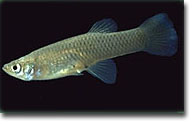
global trade and passenger movements. History is rich with tales of the disastrous outcomes of some intentional introductions such as that of the Nile Perch, which resulted in the extinction of more than 200 other fish species. We can avoid repeating such mistakes by learning from history. Yet surprisingly, potentially damaging introductions continue. The ongoing release of the mosquito fish, for example, is a good example. Another is the questionable behaviour of some participants in the international garden seed and pet trade. Careless behaviour leads to unintentional introductions. So-called ‘accidents’ now account for the majority of successful invasions. |
The GISP mission is to conserve biodiversity and sustain human livelihoods by minimizing the spread and impact of invasive alien species.
GISP Tel: +254 20 722 4462/50 Fax: +254 20 712 2150 Email:
s.simons@gisp.org
Site map
Site visits: 1885340 Page visits: 4823
Copyright © GISP 2008-
This website has been optimised for 1028X768 resolution.